Virtual Therapy for Cancer Patients
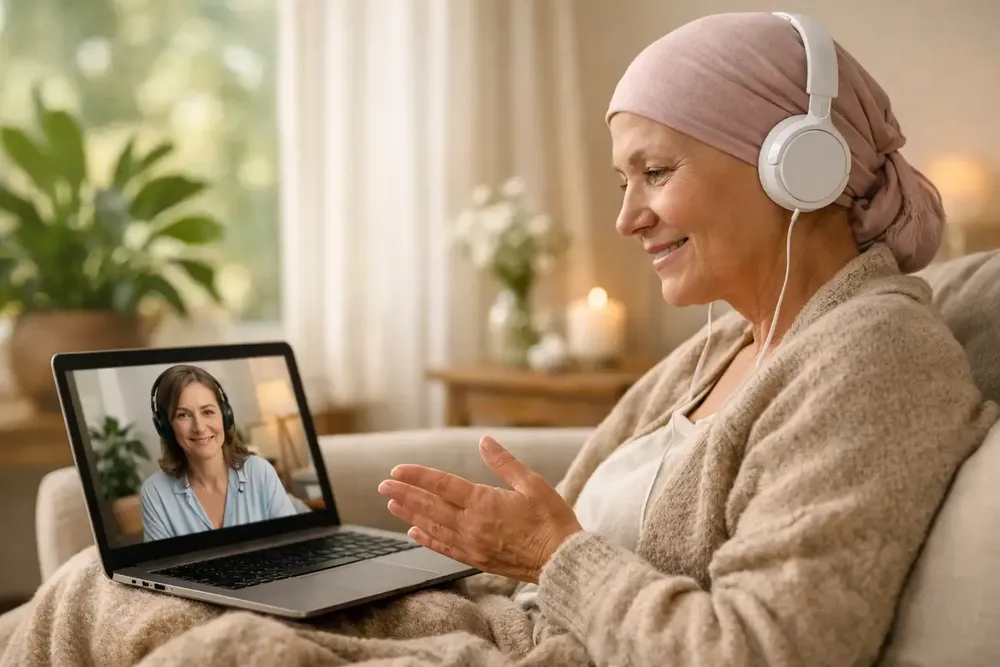
A cancer diagnosis can change the emotional weather of everyday life overnight. One appointment can bring fear, numbness, anger, relief, confusion, or all of it at once. Virtual therapy for cancer patients creates a private space to process what is happening without adding another commute, waiting room, or exhausting task to an already full schedule.
For many people, emotional support gets pushed aside while scans, treatments, side effects, and family responsibilities take center stage. Yet the inner impact of cancer often shows up everywhere - in sleep, relationships, work, parenting, body image, motivation, and the ability to feel like yourself. Therapy can offer steady support through those shifts, and virtual care makes that support easier to reach when energy and time are limited.
Why virtual therapy for cancer patients can matter so much
Cancer affects more than the body. It can disrupt a person’s sense of safety, control, identity, and future. Even when someone appears strong on the outside, they may be carrying constant worry in private. Some people are afraid of treatment. Others feel overwhelmed by uncertainty, guilty for needing help, or isolated because friends and loved ones do not fully understand what this experience feels like.
Virtual therapy gives patients a place to speak honestly from home, a hospital room, or any quiet space where they feel most at ease. That matters more than it may seem. When someone is already managing fatigue, pain, nausea, mobility limits, or a compromised immune system, removing travel can make emotional care more realistic.
There is also a quieter benefit. Many clients find it easier to open up when they are in familiar surroundings. Being able to sit with a blanket, tea, a pet nearby, or simply their own privacy can lower the emotional threshold for beginning therapy. For people who have spent so much time in medical settings, that sense of comfort can help restore a bit of personal control.
What cancer patients often bring into therapy
There is no single right reason to seek support. Some people reach out shortly after diagnosis. Others come during treatment, after remission, during recurrence, or while supporting a loved one through advanced illness. Emotional needs can change at every stage.
A therapist may help with anxiety before scans, panic around test results, grief over changes to the body, sadness about fertility loss, frustration with dependence on others, or conflict inside a marriage or family. Therapy can also support the less visible experiences, such as feeling disconnected from friends, struggling to trust your body, or carrying pressure to stay positive when that does not feel honest.
Many cancer patients also experience a complicated mix of gratitude and grief. They may be thankful for care and support while also mourning the life they expected to be living. That emotional complexity is not a sign of weakness. It is a human response to something profoundly disruptive.
Common themes in virtual cancer counseling
In practice, the work often centers on fear, uncertainty, exhaustion, and identity. A person may ask, “How do I stop spiraling before appointments?” or “Why do I feel so alone even when people care about me?” Another may be trying to manage the emotional toll on children, a partner, or aging parents.
Some clients want practical coping tools. Others need a place where they do not have to protect anyone else from how scared or angry they really feel. Often, both are needed. Good therapy makes room for emotional honesty while also helping clients build steadier ways to cope day by day.
How virtual therapy works during cancer treatment
Virtual therapy is not a lesser version of care. For many people, it is the format that allows care to happen at all. Sessions typically take place by secure video, and in some cases by phone when video feels too tiring or inaccessible. The goal is to reduce barriers so support can fit the reality of treatment, recovery, and changing energy levels.
That flexibility matters because cancer rarely follows a neat schedule. Some weeks may allow for deep reflection and regular appointments. Other weeks may require shorter check-ins, more grounding, and gentler expectations. A thoughtful therapist understands that emotional care during illness needs to adapt.
The virtual setting can also support continuity. If a client is recovering at home, immunocompromised, or simply too depleted to leave the house, therapy does not need to stop. That consistency can be deeply stabilizing during a time when so much else feels uncertain.
What to look for in virtual therapy for cancer patients
Not every therapist specializes in illness-related emotional care, and that is worth paying attention to. Cancer can bring trauma responses, existential questions, relationship strain, and medical stress that require more than generic coping advice. A strong fit often includes a therapist who is trauma-informed, compassionate, and comfortable holding both practical concerns and deeper emotional pain.
It also helps when care feels collaborative rather than clinical and distant. Many cancer patients spend enough time being examined, assessed, and told what to do. Therapy should feel different. It should feel like a space where your experience is honored, where your pace matters, and where you are met as a whole person rather than a diagnosis.
Evidence-based approaches can be especially helpful here. Cognitive behavioral therapy may support anxious thought patterns. ACT can help people live more meaningfully alongside uncertainty. Compassion-based work can reduce self-judgment. Parts work and trauma-informed approaches may help when fear, medical trauma, or old wounds are stirred up by illness. The right approach depends on the person, their history, and what they need most in the moment.
It is okay if you are not sure what you need
Many people hesitate to start therapy because they worry they will not know what to say. They may think their distress is not serious enough, or that they should wait until things get worse. But therapy does not require a polished explanation. You can begin with, “I do not feel like myself,” or “I am getting through treatment, but I am not okay.” That is enough.
For first-time clients especially, a gentle introduction matters. A brief consultation can help answer questions, reduce pressure, and give you a sense of whether the therapist feels like someone you can trust.
The trade-offs of online support
Virtual care is helpful, but it is not perfect for everyone. Some people miss the ritual of leaving home and entering a dedicated therapy office. Others may struggle to find privacy in a busy household or feel fatigued by screens after a long day of medical appointments.
These concerns are real. Sometimes small adjustments help, such as using headphones, sitting in a parked car, scheduling around treatment fatigue, or choosing phone sessions on harder days. In other situations, virtual therapy may not be the best fit, especially if someone needs a higher level of support or is in acute crisis. Good care includes honesty about those limits.
Still, for many cancer patients, the benefits outweigh the drawbacks. Less travel, greater flexibility, and the ability to access support from the comfort of home can make therapy more sustainable over time.
Support is not only for the patient
Cancer reaches into couples, families, and caregiving relationships. A partner may feel helpless. Parents may struggle to support children while managing their own fear. Adult children may be carrying grief before a loss has even happened. In these moments, therapy can support the whole relational system, not just the individual with the diagnosis.
That can look like couples counseling during treatment, family conversations around changing roles, or caregiver support for someone trying to stay steady while also running on empty. Emotional care tends to work best when it recognizes that illness is personal, but never purely individual.
A quieter, steadier way to be supported
Virtual therapy for cancer patients is not about forcing optimism or pretending everything will be fine. It is about making room for what is real while helping you feel less alone inside it. At Rising Minds Counselling and Psychotherapy, that kind of care is grounded in warmth, evidence-based support, and a deep respect for what it means to keep going through uncertainty.
If cancer has made life feel smaller, heavier, or harder to recognize, therapy can be a place to exhale. Not because it erases what is happening, but because you do not have to carry it all without support. Sometimes healing begins with being met gently, exactly where you are.