Is Online Therapy Effective? What to Know
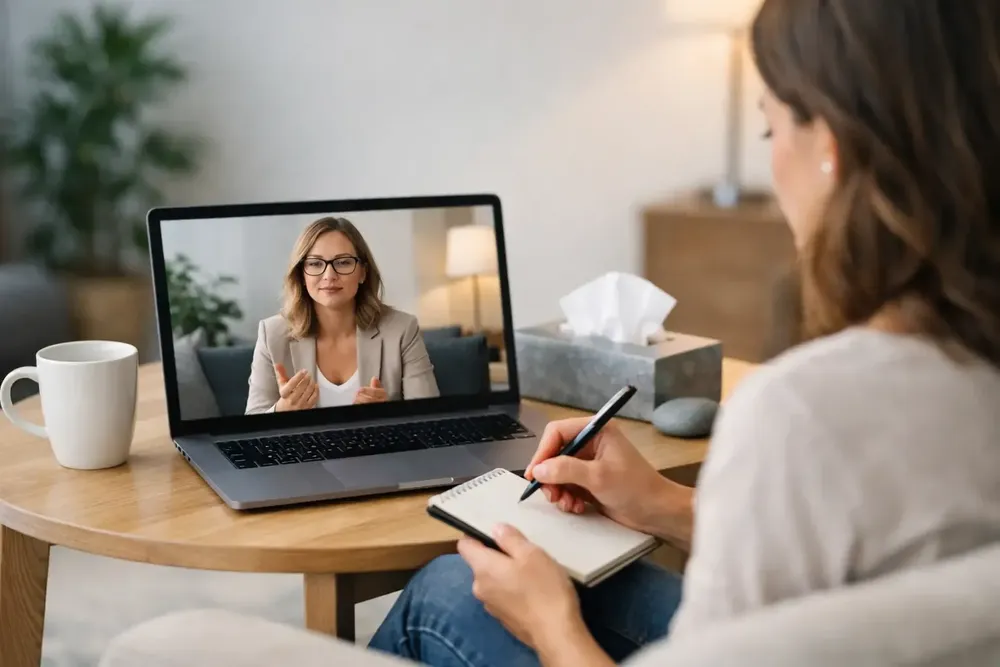
You may be lying awake at 11 p.m., replaying a hard conversation, feeling your chest tighten, and wondering whether help through a screen could really make a difference. If you have been asking, is online therapy effective, the short answer is yes - for many people, it absolutely can be. But like most meaningful care, the fuller answer depends on your needs, your therapist, and the kind of support you are seeking.
Online therapy has become a trusted form of mental health care for people who want privacy, flexibility, and consistent support without the added strain of commuting to an office. For busy parents, overwhelmed professionals, students, couples managing packed schedules, or anyone living with anxiety, stress, or a major life transition, virtual care can remove barriers that often keep healing out of reach.
Is online therapy effective for most concerns?
Research over the past several years has shown that online therapy can be effective for many of the same concerns commonly treated in person. This includes anxiety, depression, stress, relationship challenges, adjustment issues, grief, and some forms of trauma-related distress. Many evidence-based approaches, including cognitive behavioral therapy, mindfulness-based strategies, solution-focused therapy, and supportive talk therapy, can translate well to video or phone sessions.
What often matters most is not the room itself, but the quality of the therapeutic relationship. Feeling emotionally safe, understood, and supported by a skilled therapist plays a central role in progress. That kind of trust can be built online. In fact, some clients find it easier to open up from the comfort of home, especially when they are already feeling vulnerable, overwhelmed, or emotionally shut down.
There is also a practical side to effectiveness. Therapy tends to work better when people can attend consistently. Virtual sessions reduce travel time, childcare complications, missed appointments due to weather, and the exhaustion that can come with trying to fit one more thing into a full day. When support is easier to access, people are often more able to stay engaged long enough to benefit.
Why online therapy works well for many people
One reason online therapy can feel so supportive is that it meets people where they already are. If getting out the door feels hard because of anxiety, low mood, chronic illness, parenting demands, or work pressure, a virtual session may feel more doable than an office visit. That matters. Care that is accessible is more likely to be used.
For some people, online therapy also creates a stronger sense of control. You can choose a private setting, settle in with a blanket or cup of tea, and enter the conversation from a familiar space. That may sound simple, but emotional safety is often built through small details. When the body feels less activated, it can be easier to reflect, process, and speak honestly.
Virtual care can also support continuity during seasons when life feels uncertain. If you are traveling, managing a health issue, moving through a breakup, supporting a child with big emotions, or coping with the emotional weight of cancer, keeping regular therapy appointments online can offer a steady place to land.
Where online therapy may have limits
Even though online therapy is effective for many concerns, it is not the best fit for every situation. Some clients strongly prefer in-person connection and feel more grounded when sharing space with a therapist face to face. Others may struggle to find privacy at home, which can make honest conversation difficult.
There are also clinical situations where in-person or higher-level care may be more appropriate. If someone is in immediate crisis, actively unsafe, or experiencing symptoms that require close observation and intensive support, online outpatient therapy may not be enough on its own. In those cases, safety comes first, and a therapist should help guide the next step in care.
Technology can be another limitation. A weak internet connection, interruptions at home, or discomfort with screens can affect the flow of a session. None of this means virtual therapy cannot help. It simply means the format should support the work, not interfere with it.
Is online therapy effective for anxiety, stress, and relationships?
For anxiety and stress, online therapy can be especially helpful. These concerns often respond well to approaches that teach people how to notice patterns, regulate emotions, challenge unhelpful thoughts, and practice coping tools in daily life. Because virtual therapy takes place in your real environment, it can sometimes make those tools feel more practical and immediate.
If your stress tends to build at home or work, you may be discussing those challenges from the very setting where they happen. That can help therapy feel grounded rather than abstract. A therapist might help you slow down your breathing in your own living room, set boundaries around work in your home office, or prepare for a difficult conversation while you are sitting in the space where it will unfold.
Couples and family work can also be effective online, especially when scheduling has been a long-standing obstacle. Being able to join from one shared location or even separate locations can make support more accessible. Still, success in relationship therapy depends heavily on structure, mutual willingness, and the therapist's ability to guide difficult conversations with care.
What makes online therapy actually work?
Online therapy is not effective simply because it is convenient. It becomes effective when a few important pieces come together.
First, the therapist needs to be qualified and experienced in the concerns you are bringing. Compassion matters deeply, but so does clinical skill. A strong therapist knows how to build rapport, assess what is happening beneath the surface, and use evidence-based approaches in a way that feels human, not scripted.
Second, the connection between you and your therapist matters. You do not need instant chemistry, but you should feel respected, emotionally safe, and able to speak honestly over time. Therapy works best when it feels like someone is truly walking alongside you, helping you make sense of your inner world without judgment.
Third, your own readiness matters too. You do not have to feel fully confident or know exactly what to say. Many people begin therapy feeling uncertain. But a willingness to show up, reflect, and try new ways of responding can shape what you gain from the process.
Finally, the format has to fit your life. A quiet space, a stable device, and a rhythm of consistent sessions can make a meaningful difference. These practical details may seem small, yet they often help create the steadiness that emotional healing needs.
How to tell if virtual therapy is right for you
A better question than simply asking is online therapy effective may be, would online therapy be effective for me?
If you value flexibility, feel comfortable using video or phone, and want support for concerns like anxiety, stress, self-esteem, relationship strain, parenting pressure, or life transitions, virtual therapy may be a strong fit. It can also be a gentle starting place if you are new to counseling and want an option that feels less intimidating.
If you are unsure, it can help to begin with a consultation. A brief conversation gives you space to ask questions, share what is bringing you in, and get a sense of whether the therapist's style feels right. That early connection can ease some of the uncertainty and help you move forward with more confidence. At Rising Minds, that first step is intentionally designed to feel welcoming and low pressure, because trust often begins before the first full session.
You do not have to force yourself into a model of care that does not fit. Good therapy honors the whole person, including your comfort, your needs, and the realities of your daily life.
There is no gold star for struggling alone or waiting until things get worse. If support through a screen feels more possible than no support at all, that possibility is worth taking seriously. Healing does not depend on sitting in a particular room. Often, it begins the moment you feel safe enough to be honest and supported enough to keep going.