Cancer Emotional Support Counselling That Meets You
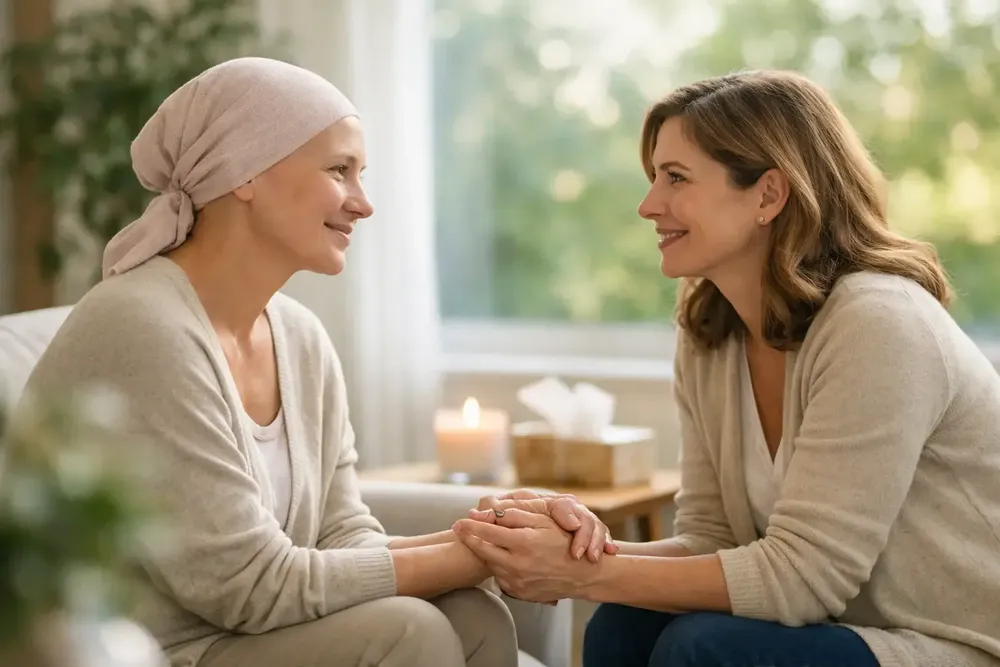
A cancer diagnosis can change the emotional temperature of an ordinary day. A follow-up appointment, a new symptom, a kind question from a friend, or even a quiet evening can bring fear, grief, anger, relief, or all of them at once. Cancer emotional support counselling offers a private space to make room for what you are carrying, without asking you to be positive, composed, or grateful for every moment.
Cancer affects more than the body. It can reshape your sense of safety, identity, relationships, work, parenting, sexuality, and plans for the future. Whether you are newly diagnosed, in active treatment, living with ongoing uncertainty, in remission, or supporting someone you love, your emotional response deserves care.
What cancer emotional support counselling can hold
Counseling is not about finding the perfect way to cope with cancer. There is no correct emotional response to a life-altering experience. Some people feel frightened and overwhelmed. Others feel numb, practical, or focused on getting through the next appointment. Many move between these states, sometimes within the same day.
A trauma-informed therapist can help you explore the feelings that may be difficult to share elsewhere. You may be exhausted by explaining your diagnosis, worried about burdening your family, or tired of hearing that you are “so strong.” Therapy can be a place where you do not have to manage anyone else’s reaction to your experience.
Cancer emotional support counselling may help with anxiety before scans or appointments, intrusive thoughts, sleep disruption, changes in mood, and the grief that can come with physical changes or altered plans. It can also support the quieter concerns: feeling disconnected from yourself, resenting the loss of independence, struggling to return to work, or wondering why you are not feeling happier after treatment ends.
You do not have to wait for a crisis
People sometimes believe therapy is only necessary when they are falling apart. In reality, counseling can be helpful long before distress reaches that point. A few sessions may offer grounding during a stressful phase of treatment. Ongoing support may be more fitting when cancer has brought up past trauma, relationship strain, depression, or persistent anxiety.
The right timing depends on you. You may want support immediately after diagnosis, when decisions feel relentless. You may need it months later, when loved ones assume life is back to normal but you are still living with uncertainty. Survivorship can carry its own emotional weight, including fear of recurrence, loneliness, and pressure to make meaning from an experience you never asked for.
There is no deadline for seeking care. Emotional healing does not follow a treatment schedule.
Counseling can support the people around you, too
Cancer is rarely experienced by one person alone. Partners may be trying to balance caregiving, work, finances, parenting, and their own fear. Family members can deeply love one another while still disagreeing about medical decisions, boundaries, communication, or what support should look like.
Individual counseling gives caregivers and loved ones a place to speak honestly about fatigue, guilt, helplessness, and anticipatory grief. Couples or family sessions can help create more compassionate conversations when everyone is doing their best but still feels disconnected.
For example, one partner may want to discuss every possible outcome, while the other needs breaks from cancer-related conversation. Neither approach is wrong. Therapy can help you name those different needs and find a rhythm that protects connection rather than turning fear into conflict.
What happens in a cancer-focused therapy session?
Your therapist should begin by getting to know you as a whole person, not simply as a diagnosis. You might talk about your health history and current treatment, but you may also talk about your relationships, values, culture, faith, work, family roles, and the parts of life that still matter to you.
Some sessions may focus on immediate tools for managing anxiety, such as noticing body cues, practicing grounding, or working with racing thoughts before an appointment. Other sessions may make space for grief, anger, identity changes, or the existential questions cancer can bring. It is okay if you do not know where to begin. “I do not know how I feel” is a meaningful place to start.
A thoughtful therapist will adapt the work to your capacity. On days when treatment has left you depleted, you may need gentleness and practical support rather than deep emotional processing. On other days, you may feel ready to explore what has changed. Good counseling follows your pace while offering steady, evidence-based guidance.
Approaches that may be helpful
There is no single therapy approach that works best for every person affected by cancer. The most helpful care is often collaborative and flexible. Cognitive behavioral therapy, or CBT, can help identify thought patterns that intensify anxiety and build practical coping strategies. Acceptance and commitment therapy, or ACT, can support you in making room for difficult emotions while staying connected to your values.
Compassion-based approaches can be especially meaningful when you are struggling with self-criticism, body image, or the belief that you should be handling cancer better. Trauma-informed care recognizes that medical procedures, uncertainty, and loss of control can affect the nervous system. It prioritizes choice, emotional safety, and respect for your lived experience.
For couples and families, systems-based work can help uncover patterns that may be adding stress. The goal is not to assign blame. It is to help everyone understand what is happening beneath the surface and respond with greater care.
How to choose a counselor when cancer is part of your story
You deserve a therapist who is comfortable talking about illness, loss, uncertainty, and the realities of treatment. Clinical expertise matters, but so does the relationship you build together. You should feel heard, respected, and never pressured to share more than you are ready to share.
When considering a counselor, it can help to ask whether they have experience supporting people affected by cancer or other major health changes. You may also want to know how they approach trauma, caregiver stress, family communication, and emotional overwhelm. If virtual sessions are important to you, ask about video or phone options and how privacy is protected.
A first consultation can be a gentle way to see whether the fit feels right. Notice whether the therapist listens carefully, welcomes your questions, and speaks in a way that feels clear rather than clinical or rushed. You are allowed to choose support that feels safe.
Virtual counseling can reduce one more burden
When your energy is limited, travel to another appointment may feel like too much. Secure online counseling can bring professional support into a familiar space, whether you are at home, resting after treatment, or trying to fit care around caregiving and family responsibilities.
Virtual therapy is not the right choice for every situation. Some people prefer the grounding of meeting in person, while others find it easier to open up from home. What matters is having a setting where you can speak privately and feel supported. For eligible clients in British Columbia and Ontario, Rising Minds Counselling and Psychotherapy offers compassionate virtual sessions by video or phone, with a free 15-minute consultation to help make the first step feel less daunting.
Let your feelings have a place to land
Cancer may ask a great deal of you, but you do not have to carry every fear and every question alone. Counseling cannot remove the uncertainty of illness, and it should never promise to make a painful experience feel easy. What it can offer is a steady relationship, practical support, and room to remain fully human in the middle of something hard.
If today all you can do is acknowledge that this has been heavy, that is enough. Reaching for support can be one small, meaningful way of honoring yourself while you move through what comes next.